Sustainable viticulture for the Riviera del Garda Classico DOC and the San Martino della Battaglia DOC
4/2026
Hail damage, vine growth and increasing downy mildew risk: recommendations for protecting vineyards and applying targeted treatments.
Hail damage and vineyard protection: how to protect grapevines after a severe storm
The fourth Sustainable Viticulture Bulletin of 2026, published by the Consorzio Valtènesi, comes during a period of rapid vine growth and focuses particularly on the effects of a hailstorm that affected a large area stretching from Franciacorta to Valtènesi.
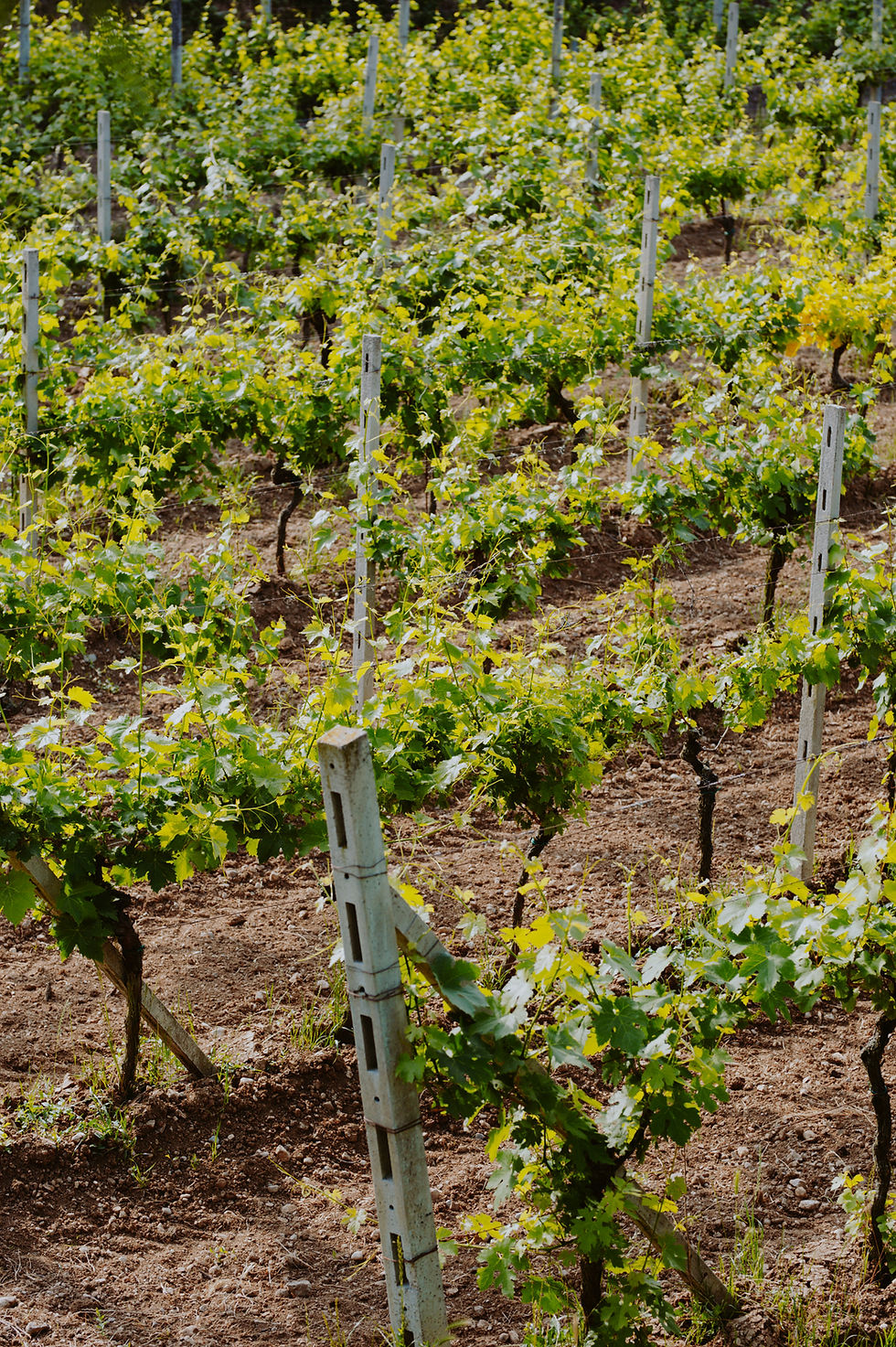
Vegetative development varies depending on vineyard exposure and location: from approximately 40 centimetres of shoot growth and 8 unfolded leaves in cooler areas to around one metre of growth, with 12–13 leaves and separated flower buds, on the more exposed hillsides.
The predominant stage is approximately 50–60 centimetres of shoot growth, representing an estimated advance of 5–7 days compared with 2025.
Hail damage: varying levels of impact across the region
The hailstorm of May 11 affected a very extensive area, with varying levels of intensity. Significant damage was recorded in certain locations, particularly between Muscoline and Picedo.
Wounds caused by hail make plant tissues more vulnerable and can create opportunities for pathogens to enter.
For this reason, in the most severely affected vineyards, it is important to promptly assess the need to restore protective treatments. Where damage is minor, it may be sufficient to wait until the next forecast rainfall approaches.
Downy mildew: risk increases as vegetation develops
The first oil spots were observed, although very sporadically, as early as late April.
The dry spring has so far limited primary infections, but as the growing season progresses, the risk of downy mildew gradually increases.
The bulletin assesses the overall risk as moderate, particularly due to the combination of hail damage, rainfall and a phenological stage in which vine vegetation is highly susceptible to infection.
The duration of protective coverage depends on the product used and, above all, the rate of vegetative growth.
It is therefore essential to avoid rigid treatment intervals and continuously assess both vineyard and weather conditions.
After hail: timely action and the right protection strategy
In vineyards significantly affected by hail, the bulletin recommends acting promptly to restore protective coverage.
In conventional vineyards, the treatment strategy should be adapted to vegetative development, the intensity of forecast rainfall and the need to avoid repeated applications of the same active substances.
In particular, the bulletin advises against two consecutive treatments using non-multisite active substances, in order to reduce the risk of resistance development.
For organically managed vineyards, particular importance is placed on restoring protective coverage in hail-damaged areas and ensuring protection before subsequent rainfall events.
Even in young vineyards that have not yet entered production, the time has come to begin disease management, adapting treatments to the possible presence of symptoms and maintaining appropriate intervals between applications.
Powdery mildew: sulphur remains essential
For powdery mildew, sulphur continues to be the main solution in most vineyards at this stage.
More specialized products are recommended primarily for vineyards with high susceptibility to the disease, avoiding the use of more complex treatments when they are not genuinely necessary.
Erasmoneura vulnerata: monitoring continues
Monitoring of Erasmoneura vulnerata also continues.
Feeding damage caused by this leafhopper can lead to yellowing of basal vine leaves. At this stage, the first young nymphs are beginning to appear alongside adult insects.
The recommendation remains to monitor and report the presence of the insect, without resorting to insecticide treatments.
Biodiversity through vineyard inter-row management
The bulletin also highlights the importance of ground cover management.
Mowing or mulching should be carried out in alternate rows, leaving sections of spontaneous vegetation undisturbed.
This simple practice helps increase biodiversity within the vineyard and supports a more balanced agricultural ecosystem.
Source: Sustainable Viticulture Bulletin 2026-04 – Hail damage
Even after a damaging event such as a hailstorm, sustainable vineyard management begins with careful observation: assessing the actual extent of the damage, promptly protecting the most vulnerable areas and adapting every intervention to the specific needs of the vineyard.
The pages of the bulletin

